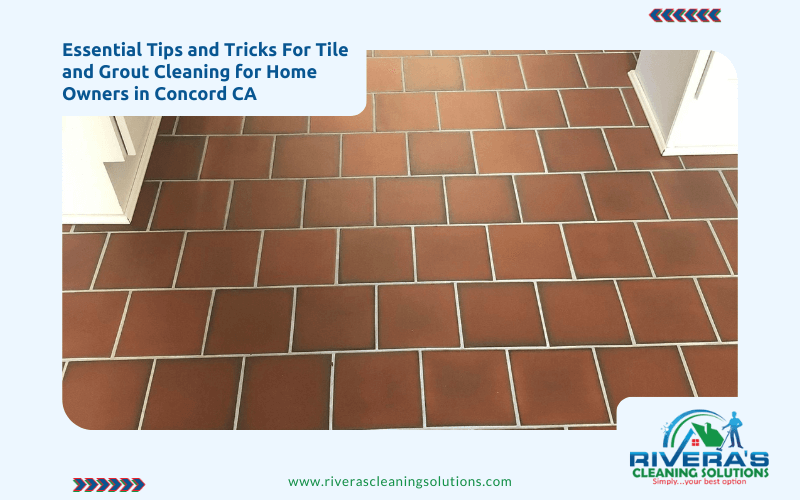
Tile and grout appear strong, but still sustain significant damage. Constant foot traffic, frequent spills, or heavy objects dropping compromise the structural integrity. Hence, it’s crucial to know tile and grout cleaning tips to protect the floorings and walls.
So, whether you are cleaning tile grout on floors in your living room or kitchen, or scrubbing bathroom walls, this guide provides some insightful tips. Keep reading, and you’ll find out why cleaning tile grout matters, mistakes to avoid, and how professional cleaning and diy methods vary in effects.
Why Proper Tile & Grout Cleaning Matters
Grout is porous and traps moisture, dirt, and bacteria, making kitchens and bathrooms prone to mold, mildew, and staining. Tiles are susceptible to streak marks, dullness, wear off, and discoloration.
Cleaning them matters; otherwise, both surfaces lose their integrity and appeal. Not to forget, extensive damage to the structure might force you to replace the tiles, which leads to unnecessary expenditure.
Top 5 Pro Tile and Grout Cleaning Tips for a Refreshed Flooring
Tile grout cleaning might seem simple, but it’s not. You need to follow a meticulous approach to attain effective results. But, before we deep dive into the cleaning tips, here’s a small prerequisite step that we suggest you follow:
- Identify the grout type: cement, epoxy, sanded, or unsanded
- Recognize the tile material: ceramic, porcelain, or natural stone (marble, slate, etc.)
After identifying the grout and tile, you can consider the following tips for grout and tile cleaning:
Tip 1. Gather the Right Tools
Having the right tools for cleaning tile grout simplifies the tile & grout cleaning process and reduces the scope of damage. A suitable tile grout cleaning tool allows you to execute cleaning without any disruption. Gather basic tools like a broom, a dustpan, a vacuum, a bucket, a spray bottle, and microfiber cloths.
- Tools for grout: Nylon bristle brush, an old toothbrush, or a grout scrubber.
- Tools for tiles: mop (microfiber or sponge material), non‑abrasive pads.
Tip 2. Pick a Proper Solution
To protect your floors, using safe solutions is necessary. Use pH-neutral solutions for sensitive natural stone to prevent etching. Avoid harsh solutions like bleach, as they may erode grout and possibly cause breathing problems to you; look for an EPA safer choice that has safe ingredients.
- Solutions for grout: baking soda paste for general cleaning, hydrogen peroxide for mold, and degreaser for kitchen grease.
- Solutions for tiles: pH‑neutral cleaners for ceramic, porcelain, and stone. No bleach or strong acids.
Tip 3. Clean Grout First
Cleaning grout first makes sense because scrubbing loosens trapped dirt, water, and grit, scattering them across the floor. Addressing the grout lines first ensures these dirty particles are swept or mopped away during tile cleaning, preventing you from having to wash the floor twice.
Cleaning instructions:
- Spread the baking soda paste (mixed with hydrogen peroxide) on grout lines, and the dirt loosens.
- Scrub grout with a stiff nylon bristle brush in circular motion. This will lift the loosened dust particles from the pores.
Tip 4. Clean Tiles
Once you clean the grout, cleaning tiles gets easy. You can use precise techniques to clear stubborn stains or remove streak marks from tile, preparing your floor for thorough rinsing and reviving its freshness.
Instructions:
- Do a quick broom sweep, and vacuum the tiles where you scrubbed off the dirt from the grout.
- Use a pH-neutral cleaner and mop the entire area to clear the remaining debris, sticky residue, or stains.
Tip 5. Rinse, Seal & Dry
After a thorough vacuuming and mopping session, to ensure the cleaning efforts don’t go to waste, rinse the area and seal the grout lines to complete the tile & grout cleaning.
Instructions:
- Rinse the tile floor to remove any leftover grime left on the surface.
- Seal the grout lines once the flooring is dry; applying the sealant on wet tile compromises the effectiveness.
- Improve ventilation, open windows and doors, for quick drying.
Common Tile & Grout Cleaning Mistakes to Avoid
- When cleaning tile grout with hydrogen peroxide mixed with baking soda, avoid overuse, as excessive concentration can weaken grout lines.
- Abrasive tools should not be used as they scratch the tiles and cause permanent damage.
- Refrain from using harsh or acidic solutions to prevent discoloration or etching issues.
- Try not to use a brush with stiff bristles, as it can scratch grout. Also, make sure they are not extremely soft, as they might fail to lift embedded dirt.
- Avoid neglecting simple tile grout cleaning tips like ventilating the area for speedy drying, or ignoring signs for tile and grout cleaning.
DIY vs Professional Tile & Grout Cleaning
Using a tile grout cleaning brush and cleaning tile grout with baking soda or hydrogen peroxide can manage light stains and daily dust on tiles, but it’s more of a temporary solution, reflecting diy methods have limitations.
Not to mention, the cleaning method is prone to frequent mistakes; you can mess up the paste or accidentally use a harmful solution, which can nullify the effect and cause more damage. Also, covering larger areas, bathroom tiles, or a kitchen setup is challenging.
A professional tile and grout cleaning makes up for such shortcomings of DIY cleaning. Technicians are trained to use industrial-grade solutions and tools to facilitate smooth and swift tile & grout cleaning, while restoring the original, refreshing look.
Avail Professional Tile and Grout Cleaning Services for Total Protection
Tile and grout cleaning tips help, but only temporarily, as DIY methods are susceptible to frequent mistakes such as missed spots, uneven scrubbing, using the wrong rinsing solution, or improper sealing. This leaves your flooring in a weak state, and if professional tile grout cleaning is not considered, it might need complete replacement.
Rivera’s Cleaning Solutions has years of experience in providing quality tile and grout cleaning services. Our certified and skilled team has been serving for decades now. They use advanced equipment and eco-friendly tools that go beyond the surface and provide a deep cleanup to eliminate years of stubborn stains, dirt, and allergens hidden in your tiles.
Give us a call to protect your tiles and revive the vibrant look.
FAQs
How often should I clean tile & grout?
We suggest light cleaning tiles weekly, with deep cleaning at least once a year. However, kitchens and bathrooms may need it every 3 to 6 months to prevent discoloration and mold growth issues.
Should I seal grout after cleaning?
Yes, sealing protects porous grout from stains, moisture, and bacteria. It also simplifies future cleaning and saves costs.
Can I clean grout with vinegar?
Avoid vinegar on cement-based grout as its acidity weakens the material. Use a pH-neutral cleaner instead. However, you can use it on sealed epoxy-based grout with proper dilution, which is too mild; it’s resistant, but still can inflict damage.
What is the best tool for grout cleaning?
A nylon bristle brush is the best for cleaning tile grout. When paired with home remedies for grout cleaning, such as baking soda, it can remove the dirt without inflicting any damage.